
On October 30, 2025, I took part in a poetry reading organized by the University Poetry Club. It was not simply an event, but a space of attentive listening - where languages met gently and poetry unfolded without borders.
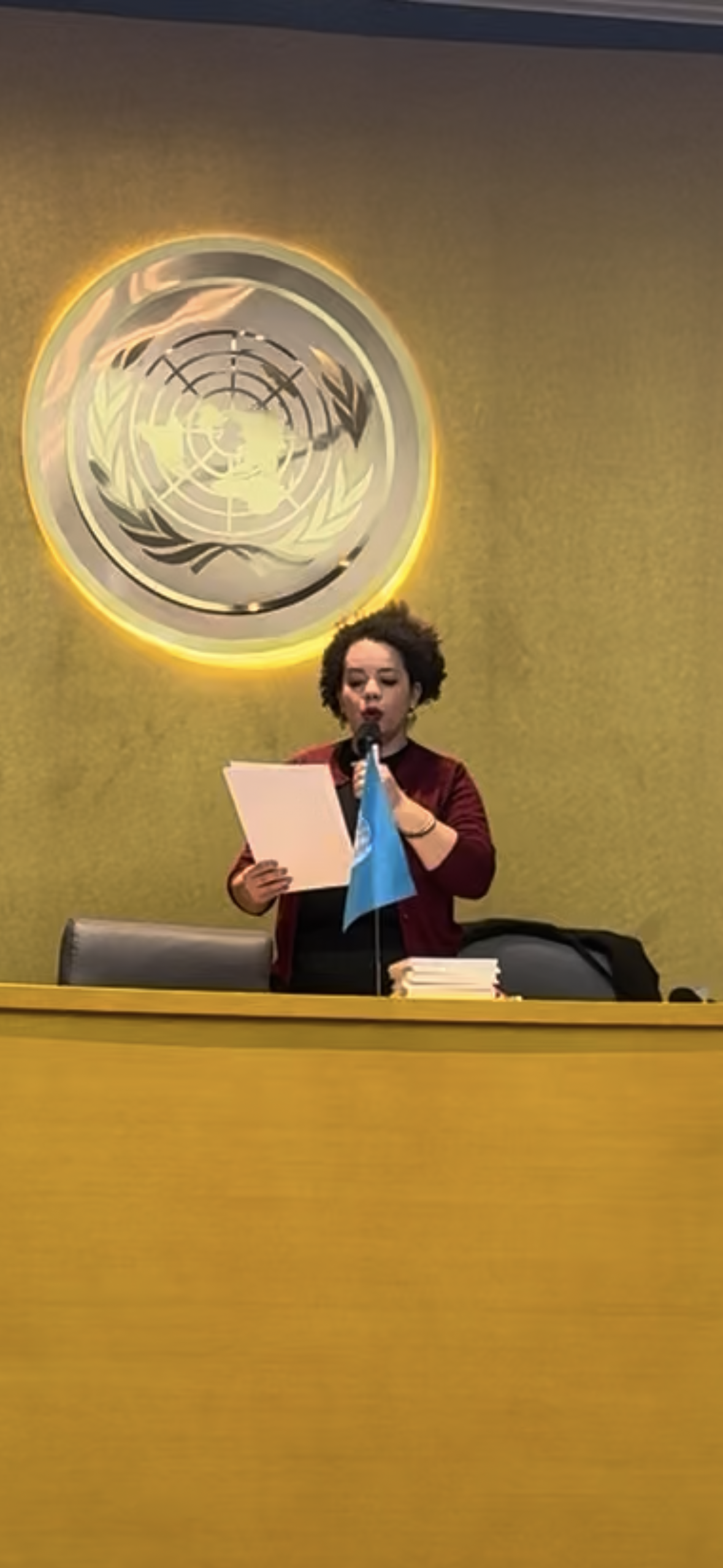
That evening, I recited Mahmoud Darwish's Wait for Her. I began in Arabic, allowing the breath and cadence of the original text to resonate fully. I then moved into the English translation, letting the poem travel across language while preserving its intimacy.
The recitation unfolded over the delicate soundscape of Anouar Brahem's The Astounding Eyes of Rita. The oud's restrained, contemplative tones created a suspended atmosphere - one where each repetition of Darwish's refrain seemed to echo more deeply:
Wait for her and do not rush.
If she arrives late, wait for her.
If she arrives early, wait for her.
In Darwish's poetry, waiting is never passive. It becomes an act of dignity, of steadfastness, of quiet resistance. His words carry the emotional memory of a people whose history has been marked by displacement and longing. Yet his poetry transcends geography: it transforms collective struggle into universal meditation on love, patience, presence, and endurance.
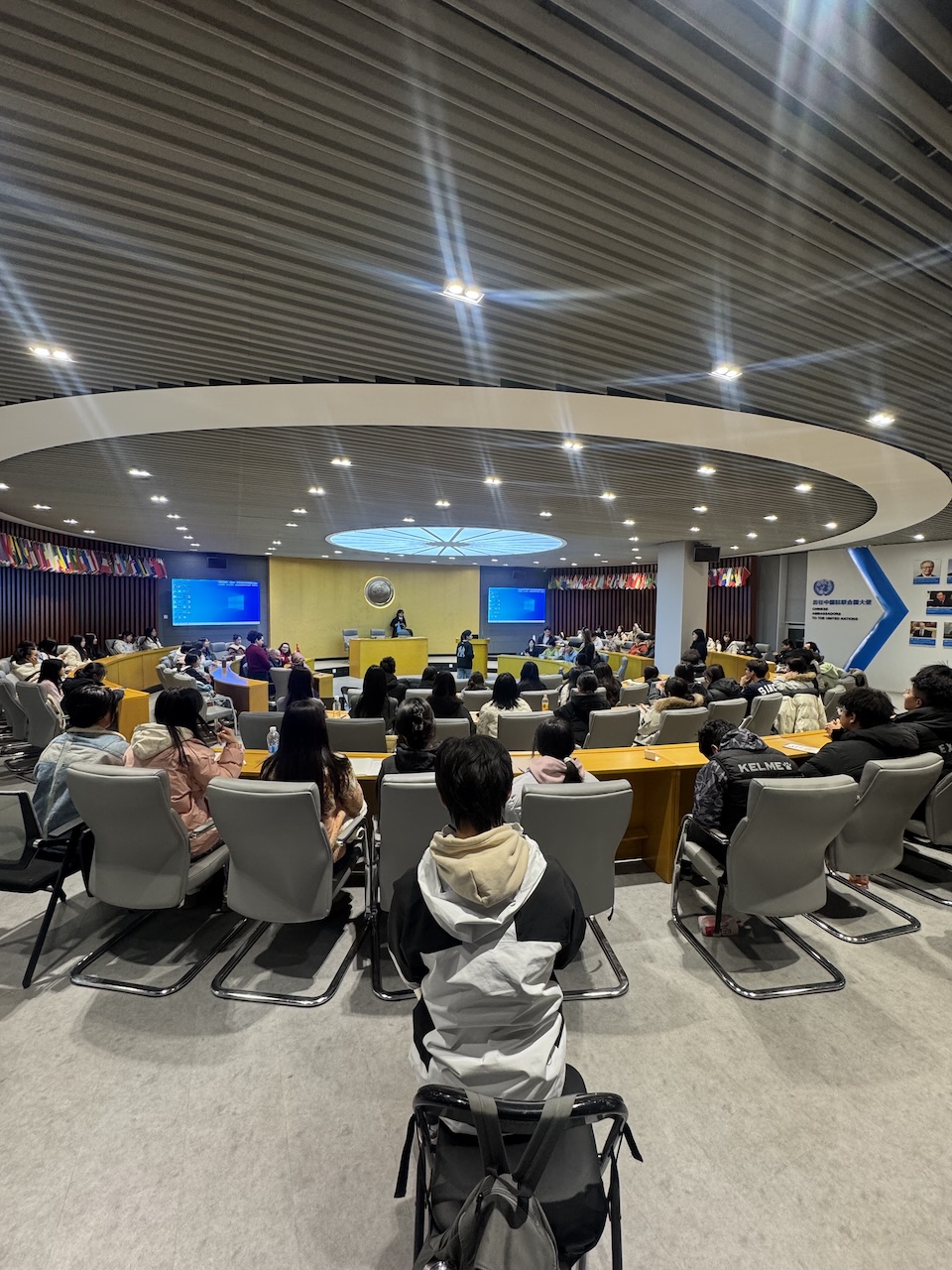
That evening, my colleagues recited Persian, French, Serbian, Arabic, and American poetry. Each language brought its own music and atmosphere. Together, the readings formed a constellation of voices - distinct yet harmoniously coexisting within the same shared silence.
Reciting Darwish, accompanied by Brahem's music, felt like holding two intertwined currents: poetry and memory, language and history. It was not performance, but transmission - a moment where art allowed us to listen more deeply to one another.
Evenings like this reaffirm the quiet power of poetry: to carry stories across borders, to preserve memory, and to transform fragility into resonance.

Conversation
Share your thoughts and join the discussion
No comments yet. Be the first to share your thoughts!